
I was driving the other day when a thought stopped me in my tracks. I was thinking about my dad, and I realised I’m grieving two people who are still here. Him, and the woman I was before.
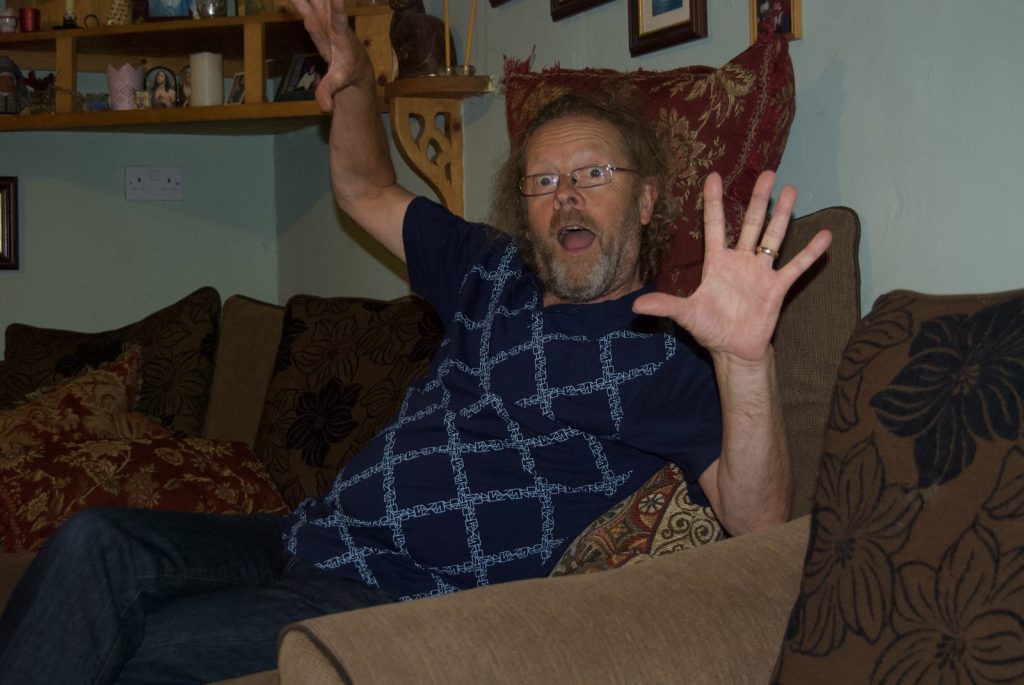
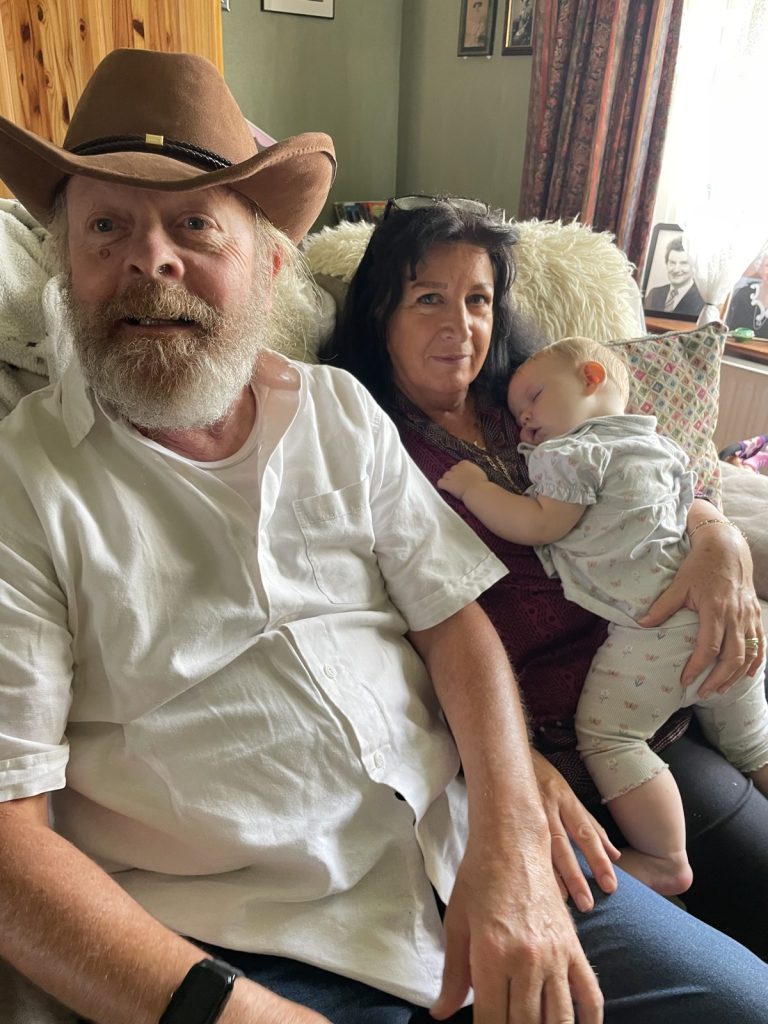
My dad has Alzheimer’s, and the man I’ve known my whole life is slowly slipping away. He’s still here. I can sit beside him and hold his hand. But so much of the person he was is gone. In a way, he’s become a shell of himself, and I’m feeling the loss of him before he’s actually gone. And sitting in the car, it struck me that’s exactly how I feel about myself right now.
I’m ten months postpartum with my second, and the woman I was before feels like a shell too. I’m a mam. A breastfeeding mam. My body is for feeding my daughter, for carrying my babies, for looking after everyone else. Somewhere in all of that, I’ve lost sight of myself.
The two have always been tangled together for me. We first started noticing signs in my dad when I was pregnant with my son, and not long after he was born, Dad was properly diagnosed. So I became a mother in the same season I started losing my dad. I’ve been losing myself and losing him at the same time, and learning to make peace with the new person I’ve become, and the new person he’s become, side by side.
And the person I’d always have turned to when life got this hard was my dad. He was my rock. He was the fixer. If I needed a lift home from anywhere, at any hour, I rang my dad. If something broke in the house, I rang my dad. If anything needed sorting, his was the first number I dialled. That’s something I don’t have any more. There’s a gap where he used to be, and I feel it most now, when I’m stretched thinner than I’ve ever been.
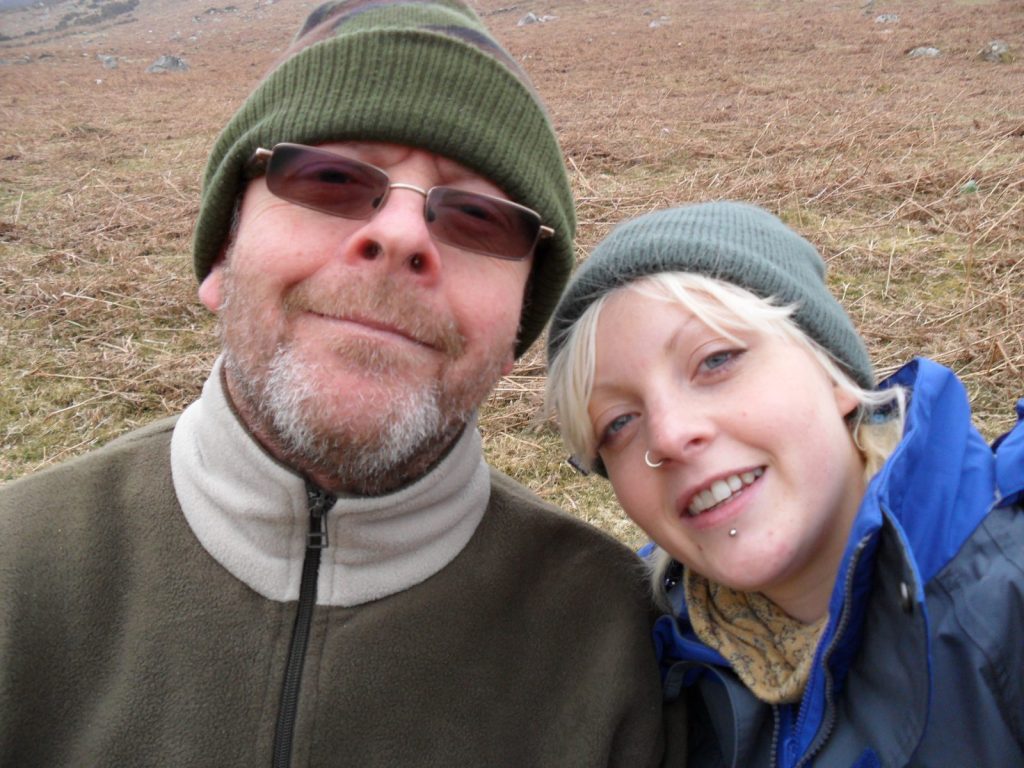
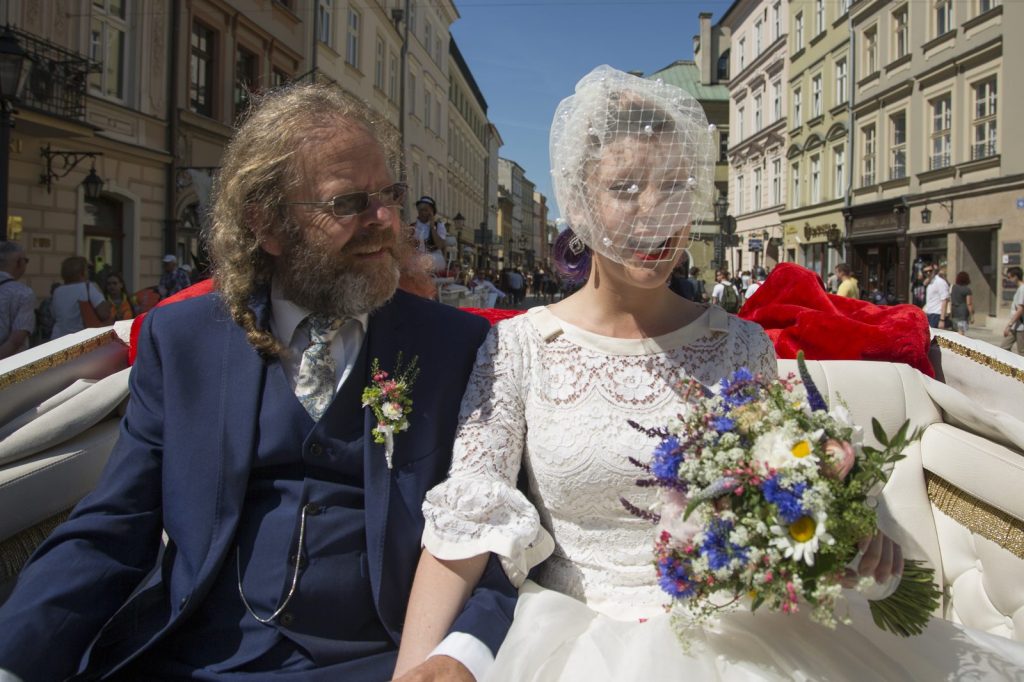
So I’m learning to lean on support in other ways. To ask for help, and to let people in, even when it doesn’t come naturally. I lean on my mam more than I ever have. Having children of my own has healed so much of my mother wound, and she’s become one of my biggest supports.
And I want to share what this year has really been like.
The first time, everything felt hard. The broken sleep, waking so many times a night to feed, breastfeeding that didn’t come easily, no social life, and a slow dying away of who I’d been before I had a child.
This time, a lot of that feels easier. I know the nights don’t last forever. I know feeding settles. I know I’ll find myself again.
But there are new challenges. There are two small people to stretch between now, two sets of needs to juggle, and somewhere in there I’m still trying to find time for my own basic needs. The first time it felt hard. Now, at times, it feels impossible.
But I am doing it. And I have to say, I wouldn’t be keeping my head above water without a good partner. Some days it feels like I’m drowning, and he’s the one holding me up. He’s trying just as hard as I am.
Even if I didn’t work at all, looking after small children and a home is monumental. Every need, every meal, every night waking, every small person becoming a whole person in front of you.
Growing up, I never heard a woman complain about it. It wasn’t thought of as hard. It was just what you did. When I had my son, I had this huge realisation. I had just grown and birthed a human being. My body had done something extraordinary, and now it was recovering while nurturing a new life. And it was treated as nothing. Why aren’t we putting up statues to mothers?
This time round I feel even more of that, and honestly, some rage too, especially about how little postpartum care there is. I’ve had pelvic floor pain since pregnancy. Physio was never offered during my pregnancy, and it wasn’t picked up at my six-week check even though I mentioned the pain. At six months my GP referred me locally, but they don’t specialise in women’s health. The hospital where I had my baby said I was past their three-month cut-off. So there I was, six months postpartum with a postpartum problem and nowhere to go. And that’s just one example.
The first time, I felt betrayed by my body. I didn’t have the birth I’d hoped for, or the recovery. I felt behind, disappointed, and disconnected from myself.
This time I don’t feel betrayed. But the body I’ve been left with is one I don’t recognise at all. It isn’t even the postpartum body I had last time. That has been the biggest mental challenge of all. It’s taken a lot of deliberate, kind self-talk to pull myself out of low, looping thoughts about my body, and I’ve felt things more strongly and more negatively than I ever expected.
And here’s the part that’s humbling to admit. For years in my practice, I’ve supported women who were struggling with their bodies. I’ve always believed, and told them, to love your body whatever it looks like right now. Focus on your health and how you feel, not the scales or the size on the label. Dress to feel well and confident.
I still believe every word of that. But being in it myself is so much harder than I imagined. You can’t imagine what someone is going through until you’ve been there.
So I’ve been living in a kind of tug of war. Part of me wants to change my body because I want to be slim again. Another part knows this is the body I need right now, to feed my baby and to repair. Some weeks I’m really good at holding that. My daughter lies on me, I look down at my belly, and I think: you came from here. This is where you lived. This is why I look like this. Other weeks I’m getting ready for an event, trying on something that fit me after my first baby, and it looks awful. I feel behind, like I’ve done something wrong. It’s a trigger every time.
Something has shifted in the last while. I’m finally starting to feel like I have capacity for more. I batch cooked recently for the first time since before she was born. I’m back at the gym and back at yoga. My diastasis recti is so much better, and I’m able to do more physically.
After my son, I reached this point at around six months. This time it’s taken ten. Here’s what I’ve learned: the first time, I thought I was behind, and I wasn’t. I’m not behind now either. Rebuilding takes the time it takes. Food, rest, strength, and support all have to come back in, layer by layer, before you can flourish again.
If you’re in the thick of it, the rush to get back to your pre-pregnancy body is unrealistic and it’s unfair. Your body grows, your fat distribution changes, and your shape shifts. All of that is normal. Give yourself at least a year with your postpartum body, and let that be okay. Focus on nourishing it rather than shrinking it.
Rebuilding after birth takes time. There’s no quick fix, just small, steady steps, and support along the way.
I keep coming back to that moment in the car. Maybe a shell isn’t only what’s left behind. Sometimes it’s what holds you while something new is forming.
My dad is still here, in his way, and I love him as he is now. I’m still here too. I’m learning to love the woman I am now, too.
Everything I’ve lived through these past ten months has shaped something I’m creating: Postpartum Circle. It offers nourishment, community and support, for the woman behind the mother.
It’s six months of support for mothers in the first couple of years after birth, opening in early 2027. It isn’t about shrinking your body or “bouncing back.” It’s about helping you feel like yourself again, in the body you have now.
Join the Postpartum Circle waitlist to be the first to hear when doors open. And in the meantime, you can get my free Fourth Trimester Guide for gentle, practical support through the early months.
You don’t have to do this season alone.
Rachael x
If you’re finding things hard right now, please reach out and lean on the people around you. It’s okay to ask for help. It’s okay not to be doing this perfectly. No one is doing this perfectly. It just looks that way from the outside. And if things ever feel too heavy to carry, please don’t keep it to yourself. Talk to someone you trust.
